A Reactive Dog Photo Session, Minute by Minute
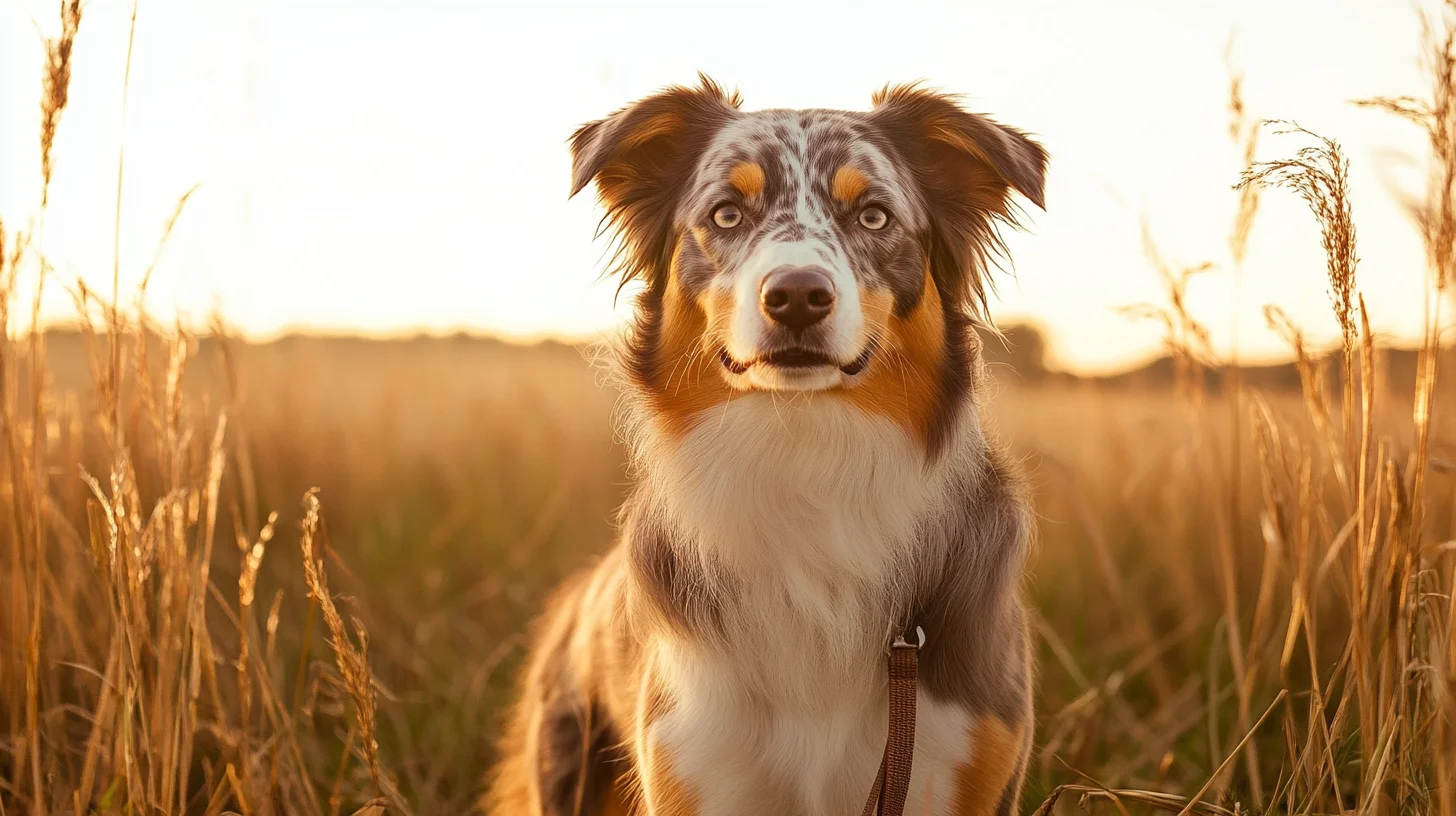
The single most common question owners of reactive dogs ask isn't whether a session is possible — it's what will actually happen on the day. The unknown is the scary part. So here it is, in full: everything that happens during a reactive dog portrait session on the South Shore, from the pre-session phone call through to the final edited image landing in your inbox. This is not a stylized version. This is how I actually work.
T-minus 7 Days: The Pre-Session Call
About a week before the session, we talk on the phone for roughly twenty minutes. I ask about your dog's specific triggers, what calms them, what high-value treats or toys work, their recent behavior trend, whether they're on any medication, and whether they're working with a trainer. I also ask what time of day they're most settled, and whether there's a location they already know and love.
By the end of that call, we've usually decided three things: location, time, and session format. For dog-reactive dogs, that's often a private field or an empty beach at sunrise. For stranger-reactive dogs, it's usually their home. For sound-sensitive dogs, it's indoors — either their home or the Rockland studio.
You also get a short written summary in your email the next day, so we're aligned on the plan.
T-minus 24 Hours: Prep
The day before, I send you a short text confirming location, time, and parking notes. For outdoor sessions, I also send a weather-based backup plan — what we'll do if the wind picks up or the light goes flat. For in-home sessions, I ask you not to deep-clean or rearrange anything. The environment your dog recognizes is the one we want to photograph in.
Your job the day before: a longer walk than usual in the morning, your dog's normal routine otherwise, and an early-ish bedtime. A well-rested reactive dog is a more resilient reactive dog. Skip the dog park. Skip new environments.
Minute 0–10: Arrival and Decompression
I arrive ten minutes early. For in-home sessions, I come in quietly, set my camera bag by the door, and sit down somewhere low — either the couch or the floor. I don't make eye contact with your dog. I don't reach out. I talk to you, quietly, and let your dog investigate me on their own schedule. Most dogs will come to sniff within two to five minutes. Some take longer. Either is fine.
For outdoor sessions, we meet at the location. I'm already standing near my car when you pull in, so your dog sees me before they're out. We walk together for the first five minutes — no camera yet — and let your dog get their bearings. If they're a dog-reactive dog, we've chosen a spot where no other dogs should appear. If one does, we calmly move to a different area. The session hasn't started; there is no pressure.
Around minute ten, I pull the camera out. I test a few frames of the environment — the grass, the sky, the doorway — not your dog. This is on purpose. Your dog watches the camera do nothing for five minutes before it ever points at them. By the time it does, it's a familiar object.
Minute 10–30: The First Portraits
This is where we start making pictures. Your job here is simpler than you expect: just be with your dog. Pet them, talk to them, play with them if they want — whatever you do together normally. I work around what you're doing. I don't pose you. I don't ask for smiles at the camera.
The leash stays on. Every session, every dog. I work within the frame so the leash can be cleanly removed in post-processing — you'll see final portraits with no leash visible, but during the session the dog is safely tethered the entire time. I've written about this separately in the guide on leash-on dog photography if you want the full technical explanation.
For most reactive dogs, the first usable portraits come between minute fifteen and twenty-five. That's when the dog has settled into the environment, decided I'm fine, and started acting like themselves again. I watch their body language carefully. Soft eyes. A relaxed mouth. A tail carried at natural height. These are the signals that the real session has begun.
Minute 30–45: Peak Window
This is where the best photographs happen. Your dog is comfortable, the light is usually at its best if we've timed the session correctly, and everyone has found their rhythm. I'm making photographs as fast as opportunities present — sometimes five frames a second, sometimes one every thirty seconds depending on what the dog is doing.
I also start asking for small changes. A different position. A walk in a different direction. Looking one way, then the other. None of this is “posing.” It's more like redirecting play so I get varied backgrounds and compositions. Reactive dogs usually do this easily because they're already comfortable with their person.
I'm also looking for eye contact with the camera, but I don't force it. Brief glances are more natural and photograph better than sustained stares. I get attention using novel sounds and movement, not name-calling — name-calling habituates within a session and stops working.
Minute 45–60: Variations and Wind-Down
By minute forty-five most dogs — reactive or not — are starting to fatigue. For reactive dogs, fatigue arrives faster. I watch for it: more yawning, less response to cues, increased ear and tail tension. When I see those signs, we slow down and I start making the quieter images. You and your dog on the couch. A portrait of your dog lying down, looking thoughtful. Close-ups of paws and eyes.
Some reactive dog sessions end at minute sixty because that's genuinely the right call. Others run to ninety. I'd rather end a session with fifty strong images than push for ninety minutes and have the last twenty looking forced. Your dog tells us when to stop, and I'm listening.
Minute 60–75: The Gentle Goodbye
I pack up slowly. Your dog is still settling back into themselves. I thank you for the session, we talk for a couple minutes about what comes next, and I let you know when to expect your gallery preview. I don't linger with your dog during the pack-up — we've had a successful interaction, and it's time to let them decompress.
For you: a quiet evening. A long walk if your dog wants one, or a nap on the couch if they don't. No dog park, no new guests. Reactive dogs often do better with a full day of recovery after any moderately demanding experience. Treat the session as demanding even if it went smoothly.
Days 1–14: Culling and Editing
I usually shoot between 500 and 800 frames during a 75-minute session. Culling — narrowing it down to the strong keepers — takes me about three hours. From those keepers, I select roughly 40 for final editing, including color grading, leash removal, and cleanup of any distracting background elements. The full post-production window is two weeks.
Around day twelve, you receive a link to a private gallery. You review, choose the images you love, and we plan wall art, prints, or albums from there. Sessions include a full-resolution digital gallery of your chosen images; wall art and print products are ordered separately.
Key Learning
“A reactive dog session is not a standard session with accommodations tacked on. It is a different structure from the first minute. The pacing, the arrival protocol, the first-ten-minutes-no-camera rule, the shorter run time — these are design choices made specifically for dogs who need time and space to be themselves. When the structure fits the dog, the portraits come naturally.”
Plan a Session Around Your Dog
If the structure above sounds like the kind of session your dog would do well in, let's plan one together. The pre-session call is the first step — no pressure, and we'll figure out together what the right format looks like.
Keep Reading
DECIDE FIRST
Can My Reactive Dog Have a Photo Session? A Decision Guide
Before booking — the four questions that determine whether a session will work, and the rare situations where I'd recommend waiting...
TECHNIQUE
Leash-On Dog Photography — Why the Leash Stays
The full explanation of how leash removal works in editing and why it's never a compromise on quality...
MUZZLES
Muzzle-Safe Photo Sessions on the South Shore
How muzzled dogs are photographed, what the etiquette looks like, and the specific post-processing approach for muzzle-visible images...
SERVICE
Reactive Dog Photographer — Massachusetts
The dedicated service page — pricing, scheduling, and the full scope of what a reactive dog session includes...
BEHAVIOR
Can My Dog Be Off-Leash in the Park?
Park behavior, recall, and the most common pre-session behavior questions answered.
“It was so fun and easy to work with Chris, and our dogs loved him, too! The photos and artwork are beautiful! Highly recommend booking a session.”

About the Author
Chris McCarthyProfessional Dog Photographer · Rockland, MA · 11+ years experience
I've photographed hundreds of dogs across the South Shore and Boston since 2014 — every breed, size, age, and temperament. My own rescue, Sully, was reactive and anxious when I got him, and working with him every day taught me how to photograph dogs that other photographers find difficult. I specialize in reactive and shy dogs, seniors, and memory sessions — the sessions that matter most and need the most patience.