Hobbyist vs. Professional Dog Photographer — What Actually Changes
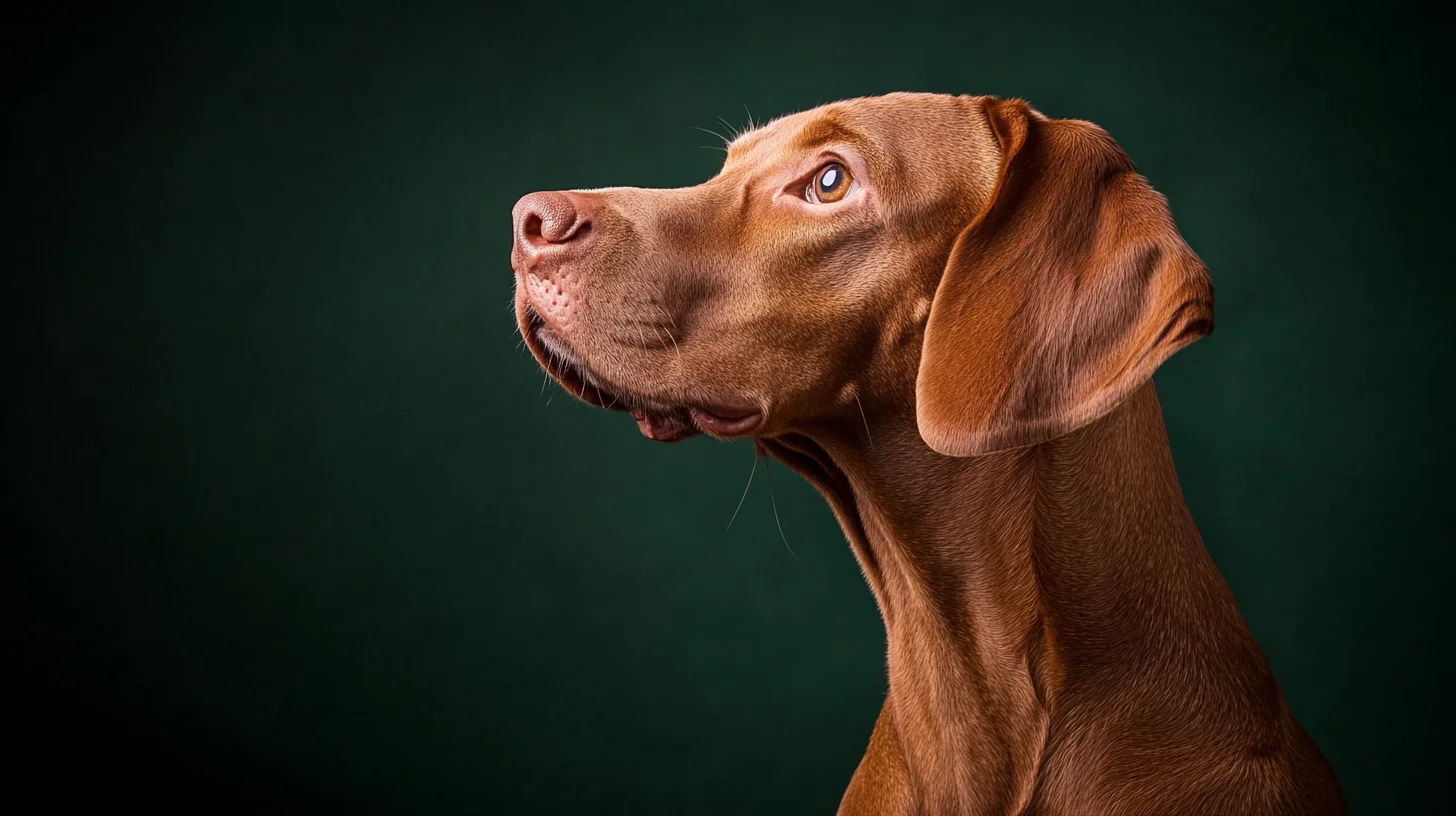
The difference between a hobbyist pet photographer and a professional is rarely the camera. Both camps often shoot on similar mid-range bodies, and a gifted hobbyist can absolutely make individual photographs that rival professional work on a good day. The difference is what happens on the bad days, the hard dogs, the surprise weather, the technical problems, and the ten-year wall print. Here are the eight concrete categories where the gap is real — and why they add up to a completely different service, not just a different price tag.
1. Preparation
Hobbyist: Shows up with a camera. Sometimes asks a couple of questions first.
Professional: Has a structured pre-session call covering your dog's temperament, triggers, treats, age, and medical considerations. Writes a session plan. Scouts the location in advance if they haven't shot there recently. Reviews the weather forecast and prepares a backup plan.
Why it matters: the first fifteen minutes of a session determine whether the dog relaxes or stays on edge. Preparation is what makes those fifteen minutes go correctly.
2. Equipment Redundancy
Hobbyist: One camera body, two lenses, basic memory cards, one battery pack.
Professional: Two camera bodies (so a failure doesn't end the session), three to five lenses, dual-slot memory card recording (every frame saved twice in real time), multiple batteries, backup flash units, and a spare laptop or field backup for immediate off-camera redundancy.
Why it matters: sensor failure, card corruption, or battery failure at minute twenty without redundancy means the session is over with nothing to show for it. This is the single most expensive difference for a photographer to maintain — and the most invisible until something goes wrong.
3. Reading Dogs
Hobbyist: Recognizes basic body language. Gets confused when a dog is nervous, stressed, or shutting down.
Professional: Has photographed hundreds or thousands of dogs across the full temperament spectrum. Reads early stress signals — lip licking, whale eye, ear tension, weight shifts — before they become obvious meltdowns. Adjusts pace, position, or approach mid-session to prevent escalation.
Why it matters: this is the skill that can't be bought in equipment form. It is accumulated through years of sessions and is the single biggest reason a professional gets usable images from a difficult dog when a hobbyist can't.
4. Editing Craft
Hobbyist: Basic color adjustments, stock Lightroom presets, delivers fifty to a hundred images with inconsistent editing across the set.
Professional: Custom color grading matched to the session, careful culling to a tight final selection of forty to sixty hero images, clean leash removal, attention to backgrounds and distracting elements, consistent visual register across the entire gallery.
Why it matters: editing is where a good session becomes a great gallery. Consistent, intentional editing is what makes a print hold up on your wall for ten years instead of looking dated in two.
5. Print and Wall Art Production
Hobbyist: Delivers digital files. You print on your own at Costco or wherever.
Professional: Offers professional-grade wall art, canvas, framed prints, and archival albums through a lab that color-manages the printing process. The photographer designs layouts, proofs colors, and stands behind the quality of the final product.
Why it matters: consumer-grade prints fade, shift color, and degrade noticeably within five years. Professional archival prints are rated for lifetimes measured in decades.
6. Business Infrastructure
Hobbyist: Venmo payment, no contract, no insurance, no clear cancellation or reshoot policy.
Professional: Written contract, $1M+ liability insurance, clear rescheduling and weather policies, structured payment (deposit plus balance, or invoiced), delivery timeline commitments with accountability.
Why it matters: when something unexpected happens — bad weather, a dog having a hard day, an equipment issue — professionals have structures in place to protect both parties. Hobbyists usually don't.
7. Consistency Across Sessions
Hobbyist: Good sessions and bad sessions. Some clients are thrilled, some are disappointed. Quality varies with energy, weather, and the specific dog.
Professional: Every session produces usable final images. The range between their best work and their average work is narrow. No client walks away with nothing on the wall because the session “didn't click.”
Why it matters: you're paying for guaranteed usable output, not for the possibility of excellent output. Professionals charge more because they deliver reliably.
8. Edge Case Handling
Hobbyist: Comfortable with well-trained mid-sized adult dogs in good weather.
Professional: Handles reactive dogs, seniors who can't stand long, puppies with no attention span, multi-dog households, black-coated dogs in bright sun, very small dogs, very large dogs, muzzled dogs, dogs who are losing vision or hearing, dogs in their last weeks of life.
Why it matters: your dog is specific. If they fall outside the comfortable-middle scenario, a professional can still deliver. A hobbyist often cannot.
Key Learning
“The price gap between hobbyist and professional is not a markup. It's the cost of all the things you don't notice when a session goes well — the redundancy, the preparation, the insurance, the ten-year archival printing. You notice all of them immediately when a session goes badly. Paying less for pet photography is reasonable. Just be honest with yourself about what you're buying and what you're giving up.”
If You Want the Professional Version
Packages are all-inclusive and start at $395, with your edited digital images included in every one — no hidden session fee and no required sales meeting. Optional wall art and albums are available afterward at published prices. Everything in the professional column above is standard — contract, insurance, dual-camera redundancy, archival printing, the full range of edge-case handling. Pricing and inclusions are on the investment page.
Keep Reading
CHECKLIST
How to Hire a Dog Photographer in Massachusetts
The 14-point buyer's checklist — what to ask, verify, and compare when hiring...
RED FLAGS
11 Red Flags When Booking a Pet Photographer
Specific warning signs that separate professionals from hobbyists — visible before you spend any money...
PRICING
Pet Photography Prices in Massachusetts — 2026
The full market breakdown by tier, with what each level typically includes and excludes...
VALUE
What You Get with Professional Dog Photography
The concrete deliverables of a professional session — gallery, products, and long-term value...
“It was so fun and easy to work with Chris, and our dogs loved him, too! The photos and artwork are beautiful! Highly recommend booking a session.”
Related: For the complete portrait photography overview that the pro side of this comparison delivers, see the Dog Portrait Photography overview.

About the Author
Chris McCarthyProfessional Dog Photographer · Rockland, MA · 11+ years experience
I've photographed hundreds of dogs across the South Shore and Boston since 2014 — every breed, size, age, and temperament. My own rescue, Sully, was reactive and anxious when I got him, and working with him every day taught me how to photograph dogs that other photographers find difficult. I specialize in reactive and shy dogs, seniors, and memory sessions — the sessions that matter most and need the most patience.